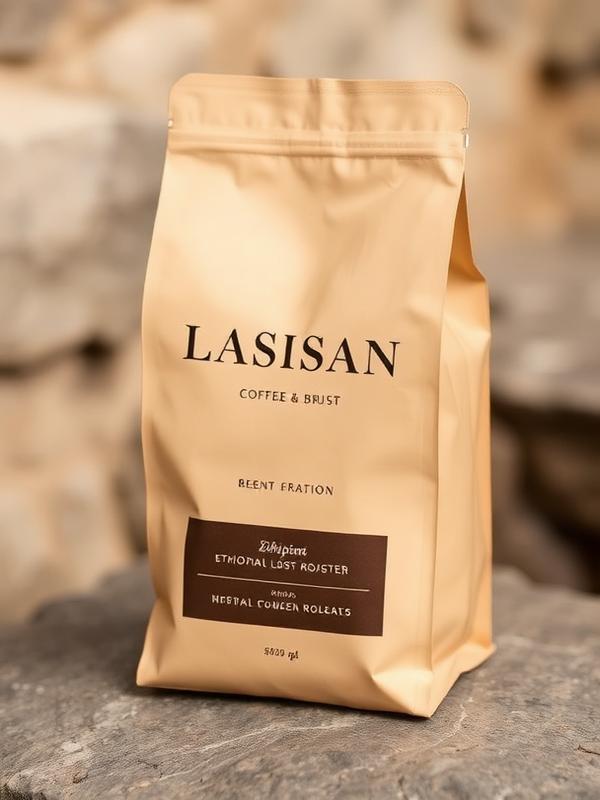
Hollow Ground Coffee
Asheville, NC
Run out of a converted auto shop by a former geologist, Hollow Ground obsesses over soil composition and altitude. Their Ethiopian Yirgacheffe is unlike anything you've tasted from a chain.
We spotlight one roaster a month. Once their month is up, they live here — subscribers can still order their coffee any time.
Asheville, NC
Run out of a converted auto shop by a former geologist, Hollow Ground obsesses over soil composition and altitude. Their Ethiopian Yirgacheffe is unlike anything you've tasted from a chain.
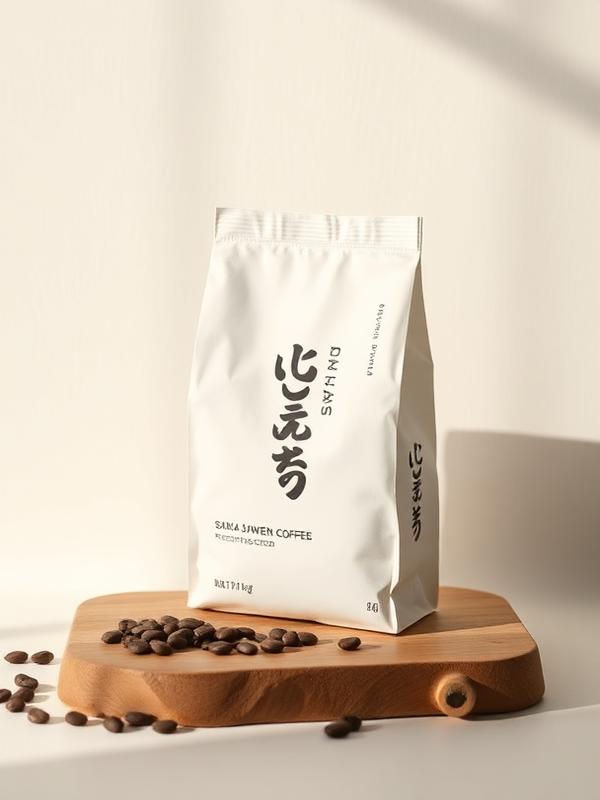
Marfa, TX
Desert-based and deeply intentional. Salt & Ember sources exclusively from women-led farms in Colombia and Guatemala, then roasts in small 22lb batches under the West Texas sun.
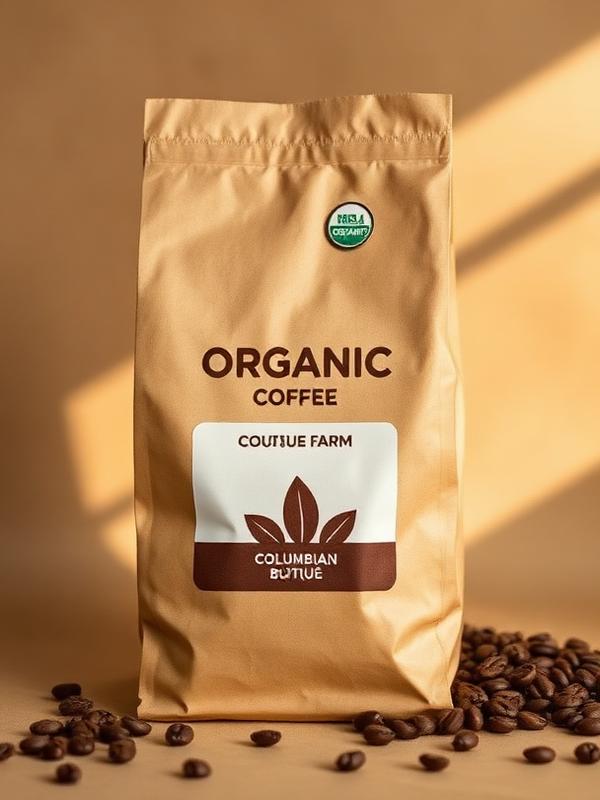
Bozeman, MT
A husband-wife team who moved to Montana to roast coffee and ski. They source Rwandan single-origins with traceability down to the individual washing station. Honest craft, no pretense.
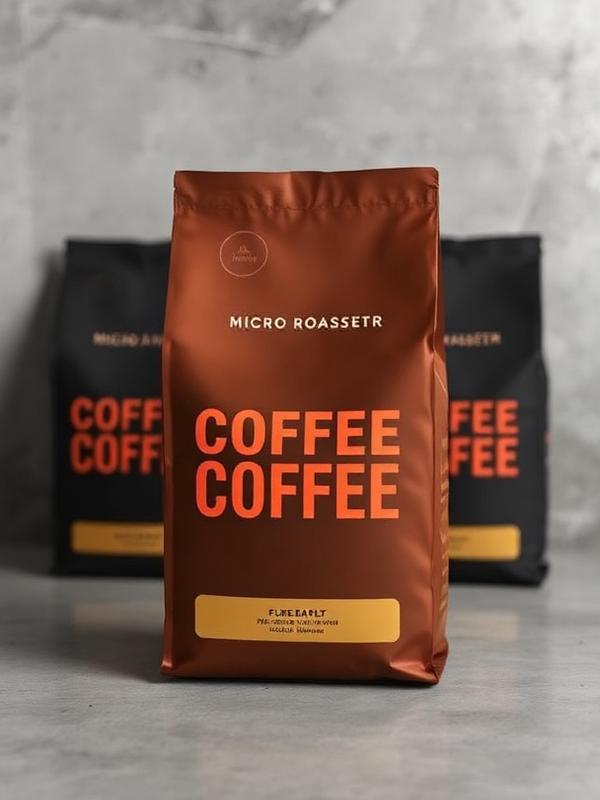
Astoria, OR
Perched above the Columbia River, Tidal is known for their experimental fermentation profiles. Their Kenyan AA double-ferment is one of the most complex cups we've ever sourced. Polarizing in the best way.